Basic car knowledge for New owners
- josephkuria2001
- Jan 30, 2024
- 7 min read
If you're a first-time car owner, it can be overwhelming to learn all the essential car knowledge you need to know. But don't worry, I'm here to help you build a solid foundation. In the following text, you'll find practical information that will enable you to become an informed and responsible car owner. So let's dive in and get started!

A car is a complex piece of machinery consisting of various complex electrical and mechanical components.

Despite its complexity, it is not too challenging to grasp the basic workings of a car. To enhance your knowledge of cars and how they function, you can take a closer look at the comprehensive list of car parts below.
ENGINE
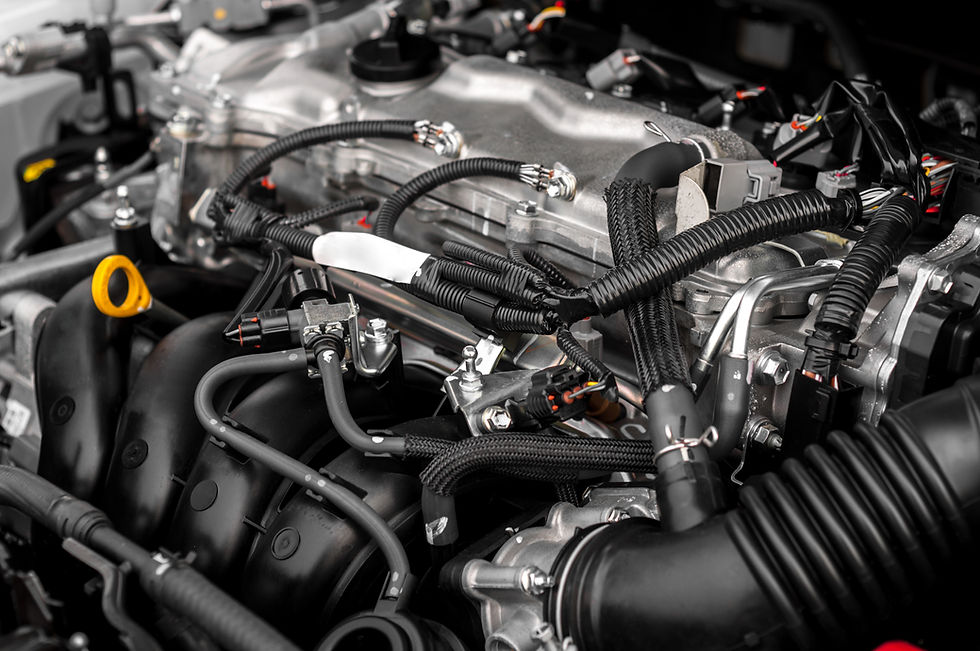
Often referred to as an internal combustion engine or IC engine, it is responsible for converting the energy generated by burning the air-fuel mixture into mechanical energy that propels the car forward.
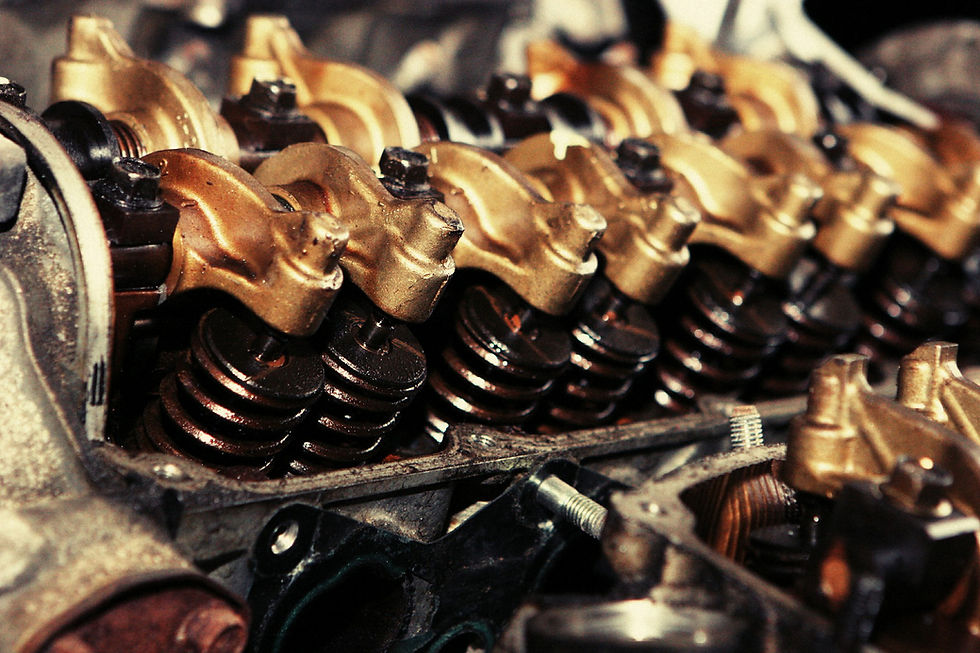
However, the engine is not a single unit; rather, it comprises several interconnected parts that work together to ensure its smooth operation. These include the crankshaft, camshaft, and pistons, which play crucial roles in the combustion process and enable the engine to function optimally.
2. TRANSMISSION
The gearbox, also known as the transmission, is a crucial component of a car. It plays a vital role in transmitting the engine's power to the wheels, enabling the vehicle to move forward.

The gearbox comprises a set of gears with different ratios that allow the driver to select the most appropriate gear for the road conditions.

The gearbox is available in two different types, namely manual and automatic transmissions.


In a manual transmission, the driver manually shifts gears, while in an automatic transmission, the gear changes are automatically executed. There are several types of automatic transmissions, such as Continous Variable Transmission (CVT), Dual Clutch Transmission (DCT), and others, each with its unique features and benefits. Whether manual or automatic, the gearbox is an essential part of the car that ensures smooth and efficient operation.
3. CLUTCH
The clutch is a crucial component of a vehicle's transmission system. It serves as a vital link between the engine and the gearbox, allowing for the smooth transfer of power to the wheels. Essentially, it enables the engagement and disengagement of the transmission by facilitating power transmission from the engine.

In more simple terms, the clutch is responsible for preventing the wheels from rotating without having to stop the engine. The clutch system comprises various parts, including the flywheel, clutch plates, and clutch pedal.


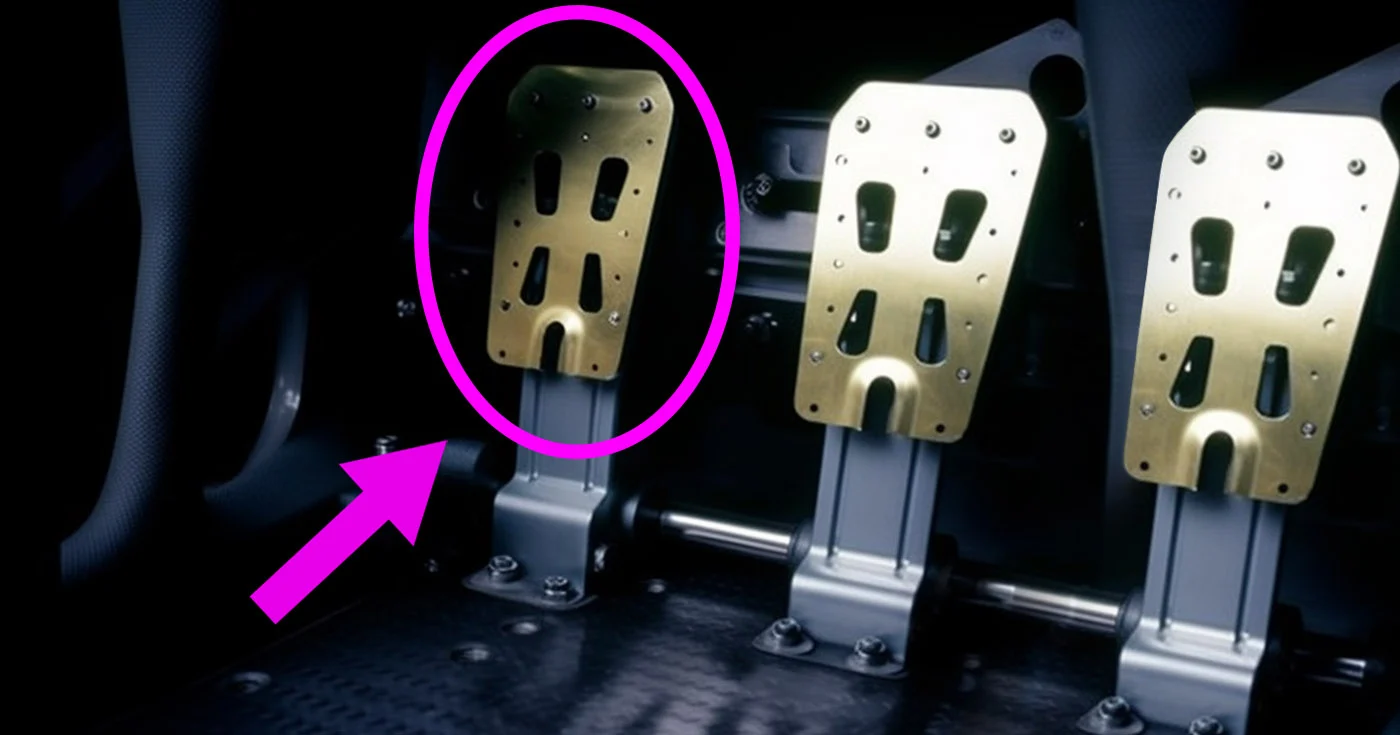
In a manual transmission, the driver must engage the clutch to allow for gear changes. They do this by pressing the clutch pedal, which disengages the engine from the transmission. This brief disengagement allows the driver to change gears smoothly.
On the other hand, the clutch in an automatic transmission is controlled by the system, and the driver does not need to manually engage it. The system automatically senses when the clutch needs to be engaged or disengaged, allowing for effortless gear changes.
4. BATTERY
The car battery is a crucial component that provides the initial power to start the car engine. Without it, the car will not start.


The battery works by converting chemical energy into electrical energy to supply the engine and other electrical components with the necessary electrical power.
The starter motor of the car is driven by the battery, making it a vital component for the engine's proper functioning.
The battery is usually located under the hood in the engine compartment, and you can easily identify it with the positive (+) and negative (-) indicators on the terminals. Therefore, it is essential to maintain the battery's health to ensure the smooth running of your car.
5. ALTERNATOR
The alternator is a key component of a vehicle's electrical system that plays a vital role in keeping the vehicle running smoothly. Apart from powering the electrical system, it also charges the battery, ensuring that the vehicle has a steady supply of electrical energy.

The alternator is a device that converts mechanical energy into electrical energy, using the motion of the car. It uses an alternating current (AC) to transform this mechanical energy into electrical energy that can be used to power the various electrical components of the vehicle.
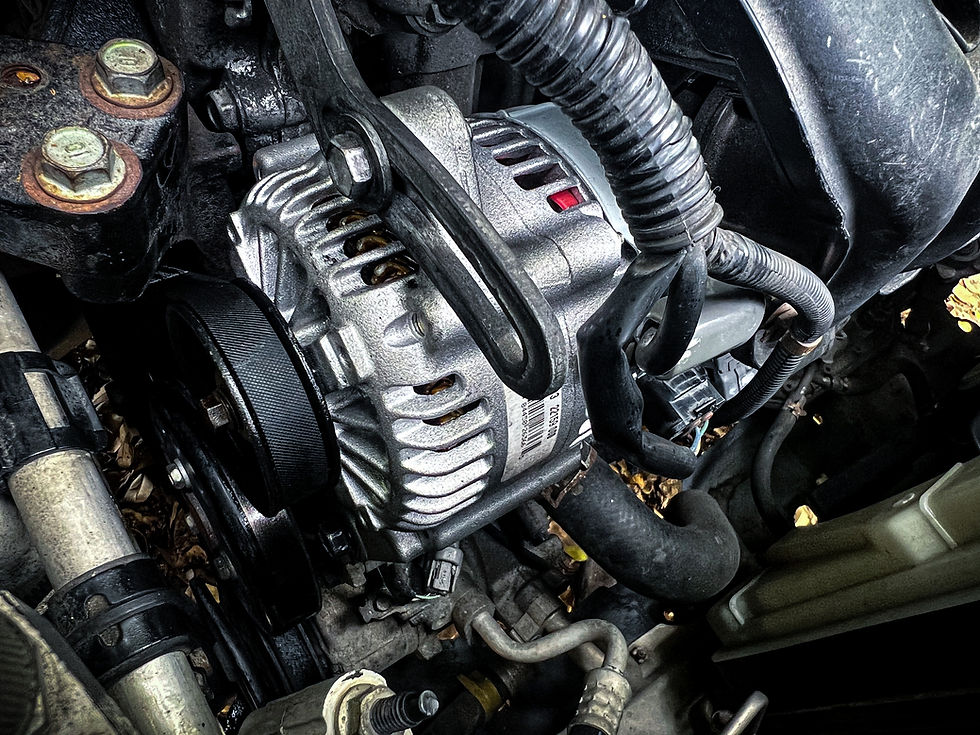
However, it is worth noting that problems with the alternator can also cause issues with the battery. If the alternator is not functioning properly, it may not be able to charge the battery correctly, leading to a decrease in the battery's performance and lifespan. Therefore, it is essential to ensure the alternator is in good working condition to avoid battery-related problems.
6. RADIATOR
The radiator is an essential component of a car's cooling system, responsible for preventing the engine from overheating. It is designed to transmit heat away from the engine and circulate coolant throughout the system, ensuring that the temperature stays within the desired range.
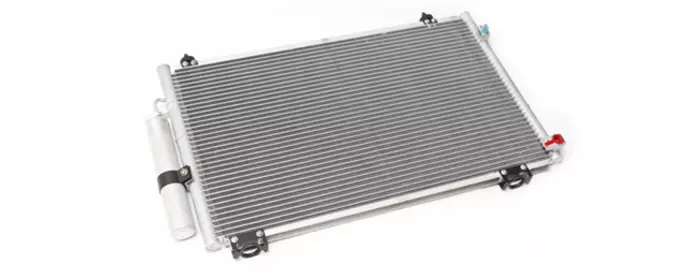
Typically located at the front of the car, the radiator relies on the movement of air to cool down the coolant. As the vehicle moves, the ambient air flows through the radiator, dissipating heat and lowering the temperature of the coolant.

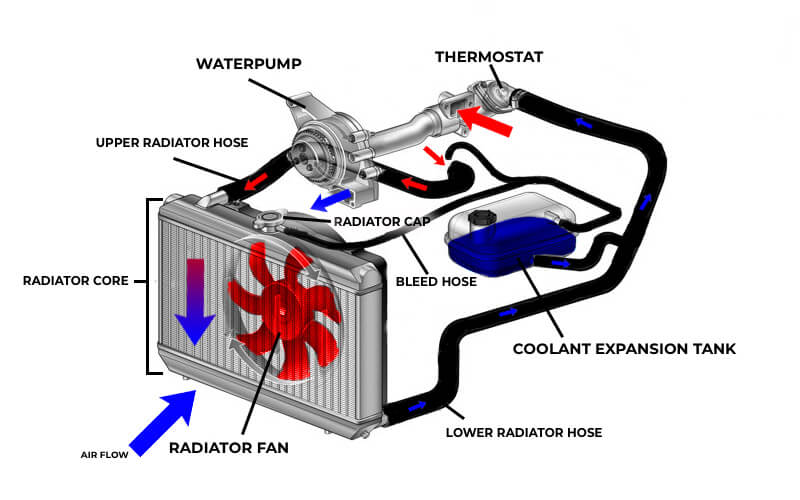
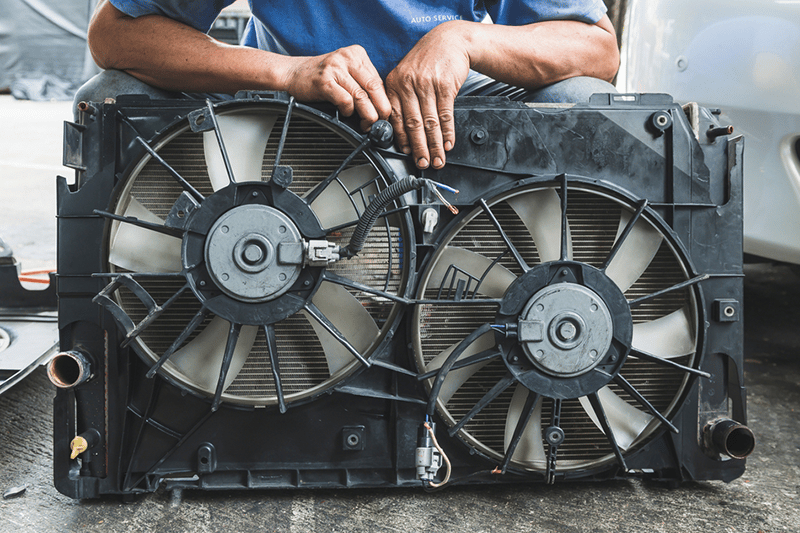
However, in situations where the outside temperature is particularly high, the radiator's fan can be activated to increase airflow and further reduce the temperature. This is especially important during long drives or when driving in hot climates.
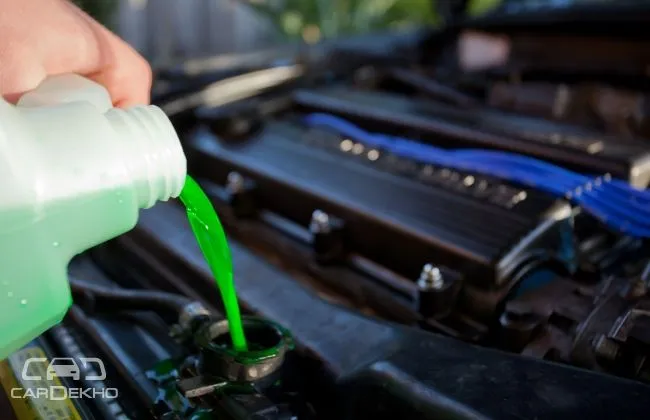
To ensure that the radiator functions properly, it's important to maintain the correct level of coolant in the system. Without adequate coolant, the radiator won't be able to do its job effectively, leading to potential engine damage and reduced performance.


7. AXLE
Axles are undeniably a crucial component of any motor vehicle. They are essentially a part of the suspension and steering system that is firmly affixed to the wheels.


The primary function of axles is to facilitate the movement of the vehicle while simultaneously assisting with weight support, steering, turning, and braking. Axles play a vital role in transmitting the engine power from the gearbox and differential to the wheels, making them indispensable in the operation of the car.
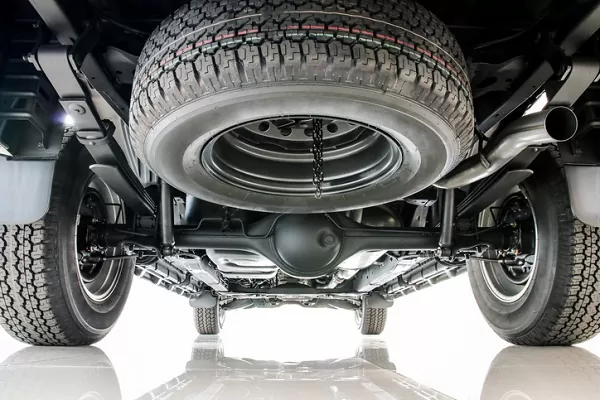
In general, a typical car comes with two axles, namely the front and the back axles. However, it's worth noting that there are some variations in the types of axles used in different vehicles. For instance, some heavy-duty trucks may have more than two axles to provide additional support for the weight they carry.


Despite their robust and durable nature, axles can sometimes develop issues that may affect the smooth operation of the vehicle. For instance, when braking or turning, vibrations throughout the car could be a sign of axle issues. As such, it's essential to have a regular maintenance routine to keep your axles in good working condition.
8. STEERING AND SUSPENSION
The steering mechanism of a car plays a vital role in guiding and maneuvering the vehicle. It enables the driver to control the direction of the car with precision, making it easier to navigate through traffic or around bends in the road.
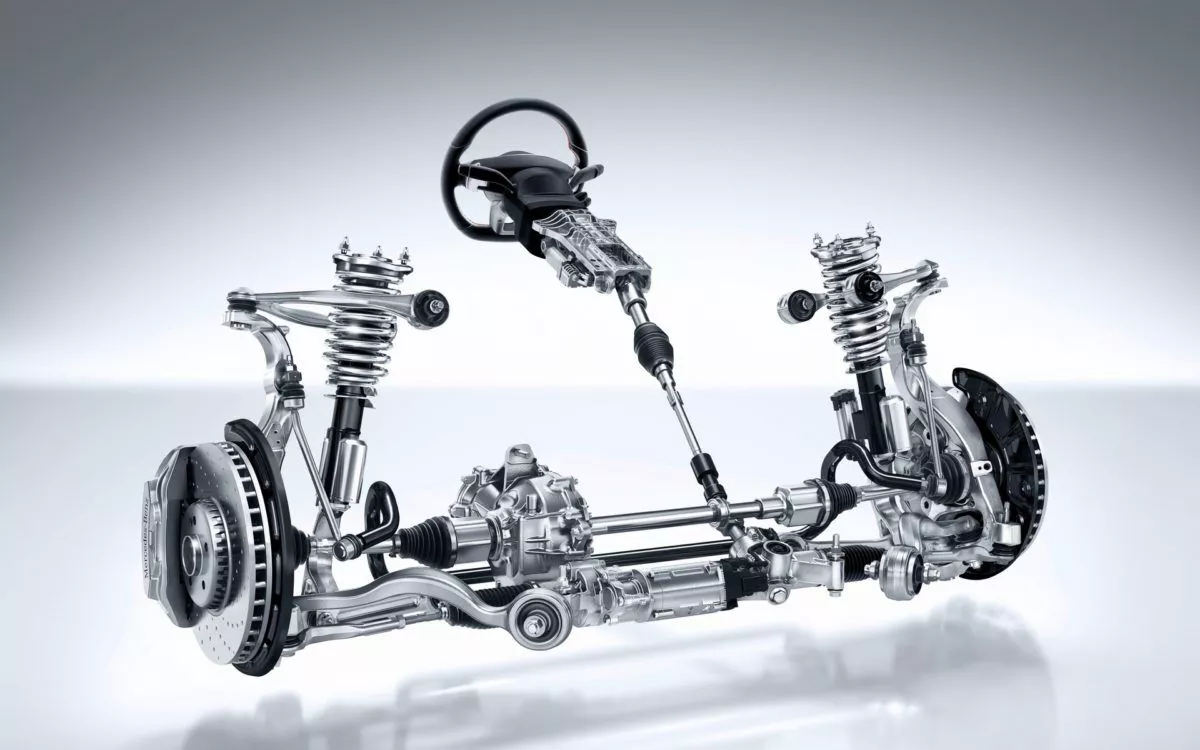
On the other hand, the suspension system is responsible for supporting the weight of the car, absorbing shocks and vibrations, and providing a comfortable ride for the passengers. It works in tandem with the steering system to ensure the car remains stable and balanced on the road.

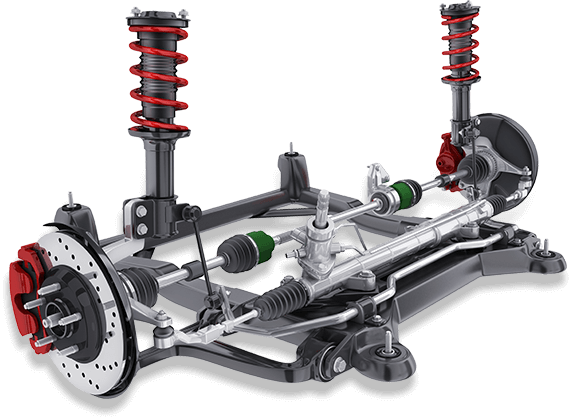
Thanks to advancements in technology, modern cars come equipped with power steering systems that significantly reduce the effort required by the driver to steer the car. These systems make turning the steering wheel effortless, even when driving at high speeds.
There are several types of suspension systems available in cars, including double wishbone, leaf springs, and MacPherson struts. Each system has its unique set of benefits and drawbacks, and car manufacturers choose the best suspension system for their vehicles based on factors such as cost, performance, and comfort.


9. BRAKES
The braking system of a vehicle is undoubtedly one of its most vital safety components, and it needs to be in top-notch condition at all times.
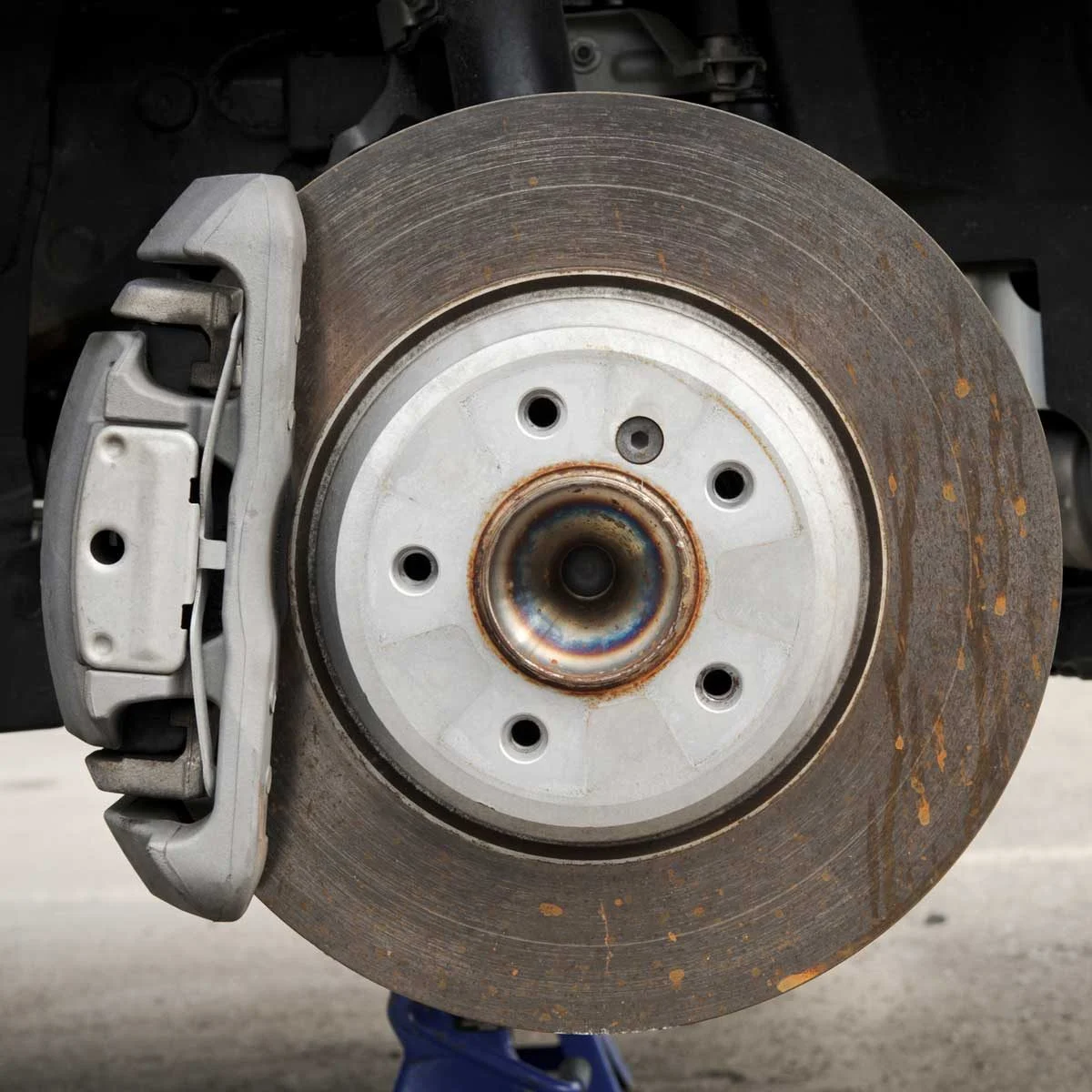
The system comprises various parts, including a brake pedal, rotor, caliper, brake pad, and more.


All four wheels are equipped with brakes, which allow the driver to bring the vehicle to a stop or reduce its speed whenever necessary. The braking process is achieved by applying hydraulic pressure to push the brake pads against the rotor with the help of calipers. This pressure causes friction, which results in the vehicle coming to a stop or slowing down.
There are primarily two types of brakes: drum brakes and disc brakes. Understanding the differences between the two types is essential to choosing the right type of brakes for your vehicle.


11. MUFFLER
The muffler is a vital component of the exhaust system, tasked with reducing the loud noise produced by the system.


Typically situated just before the exhaust pipe, it is coated in a layer of aluminum on steel to protect it from the heat and chemicals that are released by the exhaust system. The muffler works by restricting the flow of exhaust gases, which in turn reduces the sound of the exhaust.

It is also commonly referred to as a silencer, and without it, the noise produced by the exhaust system would be significantly louder and more unpleasant.
12. FUEL TANK
The fuel tank is an integral part of a car's fuel system that plays a crucial role in storing the gasoline or diesel needed to power the vehicle's engine.

It is typically made of sturdy materials such as steel or aluminum and is designed to withstand the weight and pressure of the fuel. The fuel tank is usually located near the rear axle, as this provides a safe and balanced position for the tank.

The fuel tank may also have a variety of features, such as baffles or chambers, to prevent the fuel from sloshing around inside the tank while the car is in motion.
In addition to storing the fuel, the fuel tank also has other components attached to it, such as the fuel pump, fuel gauge, and fuel filter.


These components work together to ensure that the fuel is delivered to the engine efficiently and that the fuel system is functioning properly. In summary, the fuel tank is a critical component of any car, responsible for storing and delivering the fuel required to power the engine. Its design and features are carefully considered to ensure the safe and efficient operation of the vehicle.
Follow us
@torquehouse for more car knowledge and maintenance tips
When I will be planning to buy my first car I'll definitely come for some tips from you on what type of car to consider on my budget😂💪
Great content 💯
⛽️very engaging car-nversation. Great content. Looking forward for more⚡️
Excellent 👏
Very informative