Demystifying Car Engines: A Beginner's Guide to Engine Basics
- josephkuria2001
- Feb 2, 2024
- 6 min read
Are you a car enthusiast looking to learn more about engine basics? Look no further! In this blog post, I will help you understand the key components of a car engine, including the fuel system, ignition system, and more. From understanding the four-stroke cycle to knowing the difference between a V6 and a V8, this beginner's guide has got you covered. Get ready to impress your friends with your newfound knowledge of engine basics!

A car engine is a complex system that is responsible for converting fuel into energy to power the vehicle. It is made up of various components including pistons, cylinders, spark plugs, and valves, all of which work together to create the combustion that drives the engine. In this blog, you will learn all that is required for you to know in matters about engines. So let's get right into it.
1. The Internal Combustion Engine
The internal combustion engine is a marvel of modern engineering that powers the vast majority of vehicles on the road today.

It works by igniting a mixture of air and fuel in a controlled explosion, which creates a burst of energy that is harnessed to propel the vehicle forward. The process is made possible by a series of precise and intricate mechanisms that work together seamlessly.

At its core, the internal combustion engine is made up of several key components, including the fuel system, the ignition system, and the combustion chamber.


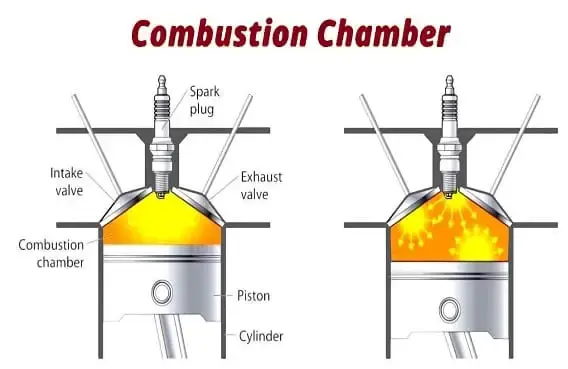
The fuel system is responsible for delivering a precise mixture of fuel and air to the combustion chamber, where it is ignited by the spark plug. The ignition system, in turn, is responsible for producing the spark that ignites the fuel and air mixture, which creates the controlled explosion that powers the engine.

The fuel system consists of a fuel pump, fuel injectors, and a throttle body to break it down further.
The fuel pump is responsible for delivering fuel from the gas tank to the fuel injectors, which then spray a precise amount of fuel into the combustion chamber. The throttle body controls the amount of air that enters the engine, which is essential for achieving the correct fuel-to-air ratio.

The stoichiometric air-fuel ratio for a gasoline-fueled engine is around 14.7:1 when the engine is operating at full combustion. This means that 14.7 kg of air is required for the combustion process to fully burn 1 kilogram of gasoline fuel.

The ignition system, on the other hand, consists of a battery, spark plug wires, and the spark plugs themselves.
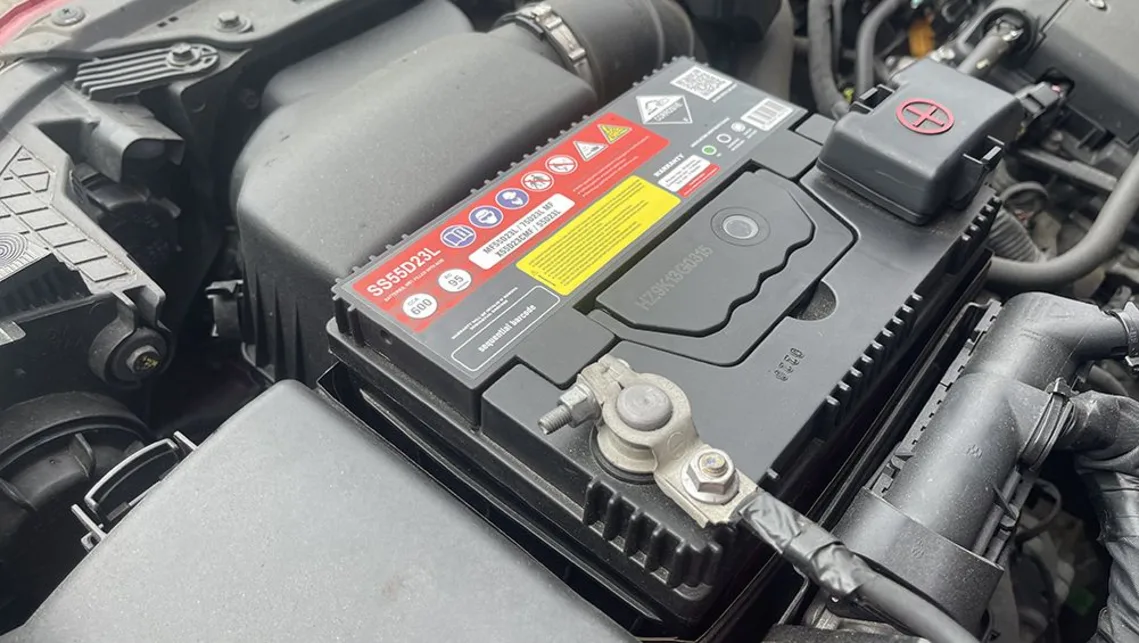


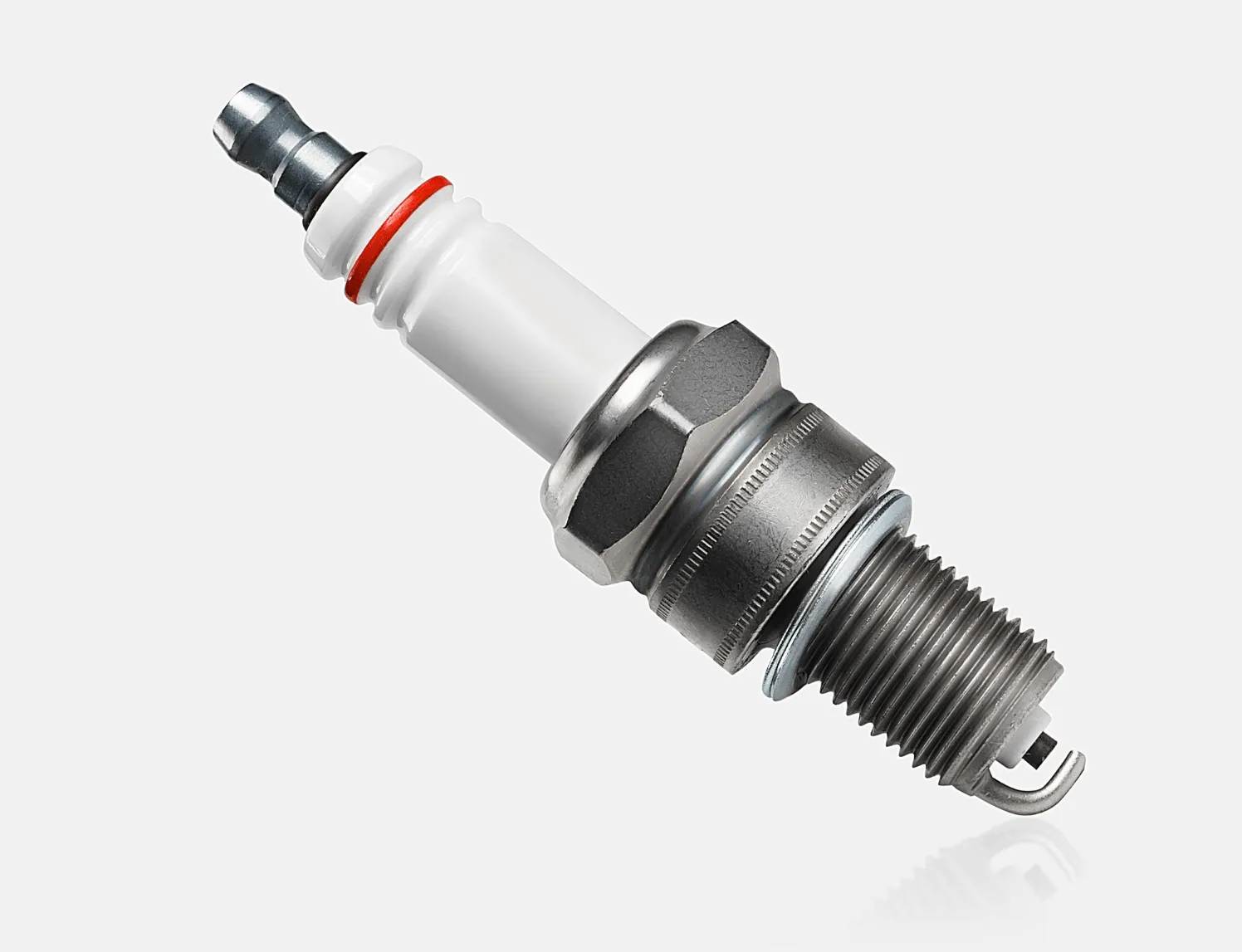
The battery provides the electrical current that is needed to create a spark, which is then transmitted to the spark plugs via the spark plug wires. The spark plugs, in turn, ignite the fuel and air mixture in the combustion chamber, creating a controlled
explosion that powers the engine.
2. Cylinders and Pistons
A. Cylinders: The Chambers of Combustion
Cylinders are an integral part of an internal combustion engine's design. They are cylindrical chambers located within the engine block that provide a space for the fuel and air mixture to ignite and expand, driving the engine's pistons and enabling it to produce power.

The number of cylinders an engine has can vary, with common configurations including 3-cylinder, 4-cylinder, 6-cylinder, and 8-cylinder engines.
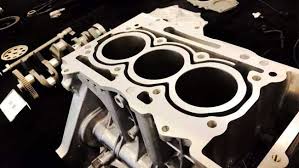
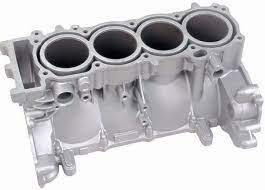
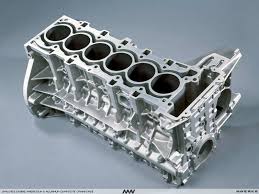
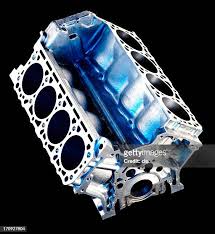
The number of cylinders directly affects the engine's performance and power output, with more cylinders generally corresponding to increased power and smoother operation. For instance, four-cylinder engines are typically more fuel-efficient but offer less power than six- or eight-cylinder engines, which are more powerful but consume more fuel. However, engines with more cylinders tend to be heavier and more complex, which can impact fuel efficiency and overall cost. Engines with more cylinders also tend to be smoother and quieter, thanks to the more balanced operation that additional cylinders can provide.
Arrangement and Configuration of cylinders
The configuration and arrangement of engines play a significant role in defining the performance, power, and efficiency of cars. There are more than six configurations but I'll narrow down to only three main configurations. Let's take a closer look at the three primary engine configurations and their features.

The first engine configuration is the inline configuration, where the cylinders are positioned in a straight line. This configuration is commonly found in more compact cars and offers simplicity in both upkeep and design. It is economical with space, but it can restrict the quantity of cylinders. They mainly are inline-3 found in the Toyota GR Yaris, inline-4 found in Volkswagen, Audi, Honda, Toyota, and Mitsubishi, inline-5 mainly found in the Audi RS3, and inline 6 found in BMW's
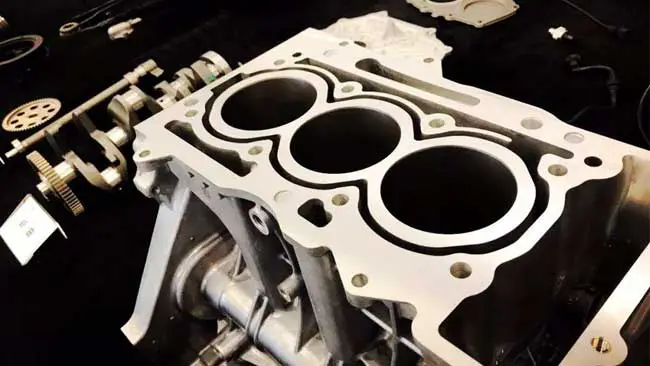



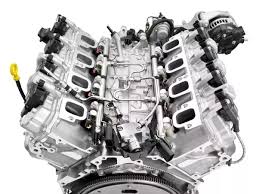
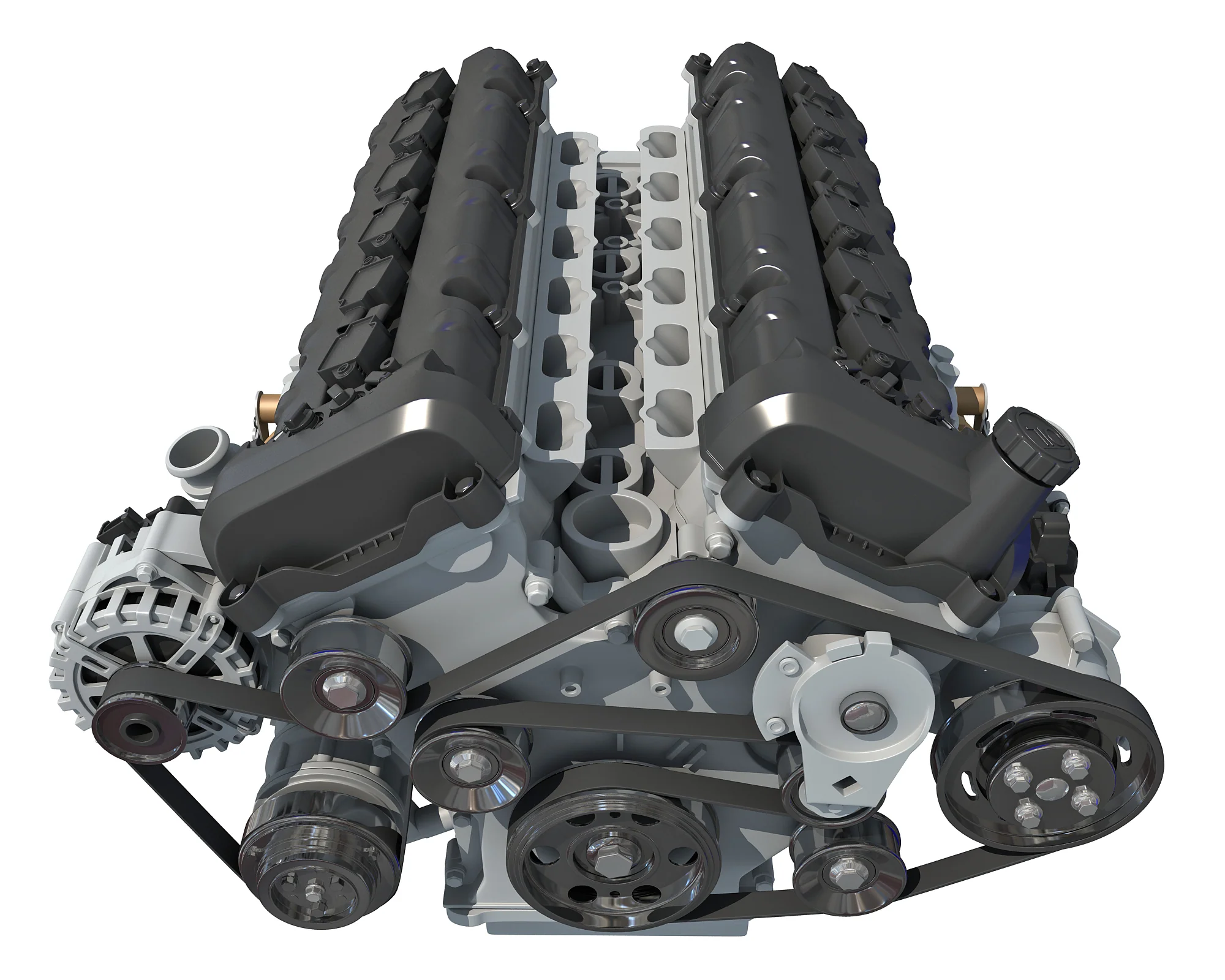
The second engine configuration is the V-shaped configuration, where the cylinders are grouped at a specified angle to form a V shape, such as V6, V8, or V12. This configuration is found in a variety of vehicles, including high-performance cars such as the Nissan Skyline R35 with a V6 configuration, the famous Landcruiser 200 series with a V8 configuration, and supercars like Lamborghinis and Ferraris with a V12 configuration. It allows for additional cylinders without going overboard and strikes a balance between power and compactness.


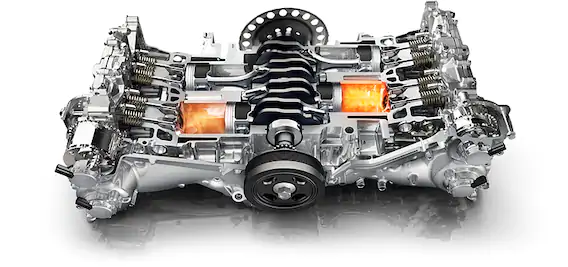
The third engine configuration is the horizontally opposed configuration, where two rows of cylinders are placed horizontally on opposing sides of the engine. This configuration is frequently connected to boxer engines and offers a reduced center of gravity, which improves the stability of the car.

It is commonly seen in some aircraft and sports cars such as the Porsche 911 GT 3RS and the legendary Subaru WRX.


B. Pistons: The Engine's Movers and Shakers
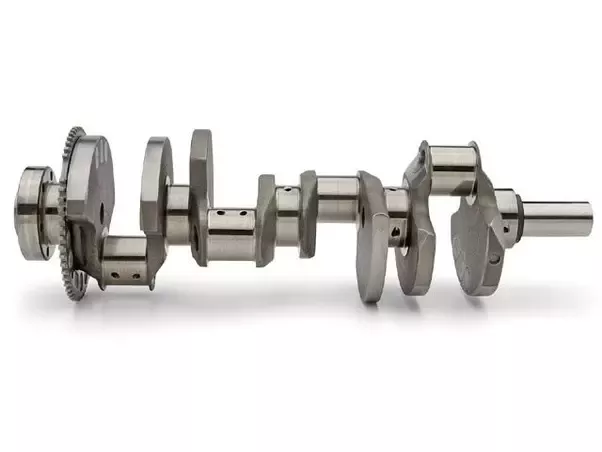
Pistons are an essential part of an internal combustion engine. These cylindrical components are located inside each cylinder and are connected to the engine's crankshaft by a connecting rod.


When fuel and air mixture is ignited inside the cylinder, the resulting explosion creates pressure, which pushes the piston down. This downward motion of the piston is what generates the power that drives the engine.

Once the piston reaches the bottom of the cylinder, it starts moving back up again due to the rotational motion of the crankshaft. As the piston moves back up, it compresses the fuel and air mixture, which sets the stage for the next combustion event.

The piston's movement up and down within the cylinder is a crucial part of the engine's operation. It converts the force of combustion into mechanical motion, which drives the vehicle's wheels and propels it forward.
3. The Four-Stroke Cycle
Internal combustion engines operate on a four-stroke cycle, which is the fundamental process that converts fuel into motion. This cycle consists of four distinct stages, namely intake, compression, power, and exhaust, which work together in perfect harmony to produce the desired result.

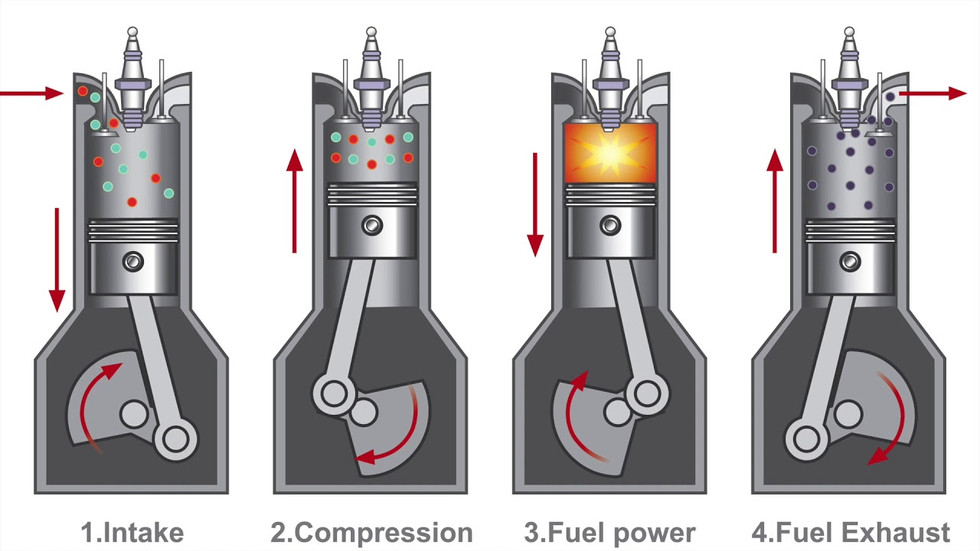
During these four processes, three important elements must be present for the cycle to be complete and successful. They are air, fuel, and spark.

Air is responsible for providing the oxygen required for combustion to take place, making it an essential ingredient in the process. Fuel is another crucial component of the internal combustion engine. It is the engine's diet and provides the energy required for the combustion process to occur. The fuel used in internal combustion engines can vary, but it is typically a hydrocarbon-based substance such as gasoline, diesel, or natural gas. Spark plugs are the primary component of the ignition system, and they are responsible for creating the spark required to ignite the mixture. The spark plugs are situated in the combustion chamber, and they generate a high voltage necessary to ignite the mixture.

A. Intake
During the intake stroke, the engine draws in air from the surroundings, which is then filtered and mixed with fuel to create the air-fuel mixture. The engine's ability to draw in air efficiently is crucial to its overall performance.

B. Compression
During the compression stroke, a fuel mixture is compressed to increase its potency. This compression helps to reduce the volume of the mixture, which in turn increases its density. As a result, the fuel can be burned more efficiently, leading to a more powerful reaction.

C. Power
During the power stroke, the fuel and air mixture is ignited by a spark plug, which creates a rapid and controlled explosion inside the combustion chamber. This sudden release of energy causes the piston to move downward with great force, which rotates the crankshaft and ultimately powers the vehicle's wheels. This process is repeated thousands of times per minute, creating a continuous stream of power that propels the vehicle forward.

D. Exhaust
During the exhaust stroke, the piston moves upward, which causes the exhaust valve to open. As a result, the high-pressure exhaust gases that were created during the combustion stroke are pushed out of the cylinder and into the exhaust manifold. This process helps to clear the cylinder of the spent gases, allowing it to be refilled with a fresh fuel and air mixture during the next cycle. Once the piston reaches the top of its stroke, the exhaust valve closes, and the engine is ready to start the intake stroke.

The four-stroke cycle is a fascinating and complex process that effectively converts fuel into motion, powering your vehicle. Each stage plays a crucial role in this process, highlighting the precision and engineering mastery involved in creating a well-functioning engine. Understanding this symphony of stages can help you appreciate the hard work and effort that goes into making your vehicle run smoothly.
As we wrap up this exploration, we've laid the groundwork for a deeper understanding of the internal combustion engine. Stay tuned for future posts as we dig deeper into the inner workings of internal combustion engines. The exploration of your car's powerplant continues.


Another day to learn from an Engaging car-nversation! I never thought Delta was an engine configuration. Only petroleum. 🔥