The Ultimate Guide to Car Transmissions: Everything You Need to Know.
- josephkuria2001
- Feb 7, 2024
- 5 min read
Are you a car lover who wants to take your driving skills to the next level? Or maybe you're just curious about how different car transmissions work? Either way, you've come to the right place! In this guide, I'll dive into the fascinating world of car transmissions and explore these powerful machines' basics, types, and examples. So buckle up and get ready to learn something new!

What is a Car Transmission?
A car transmission, also known as a gearbox, is an essential mechanical component that links the engine and a vehicle's wheels. Its primary function is to regulate the speed and torque of the vehicle, enabling it to move in different directions.

The transmission consists of several important parts, including gears, shafts, bearings, and clutches, all of which work together to transmit power from the engine to the wheels.


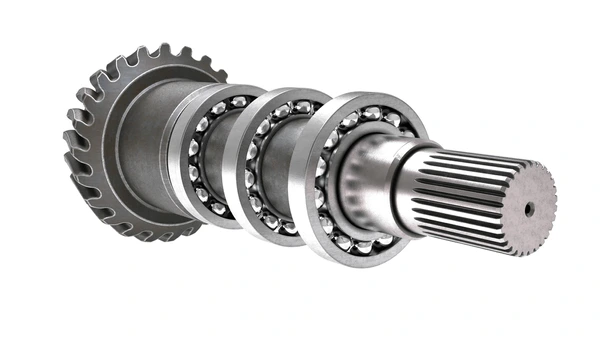
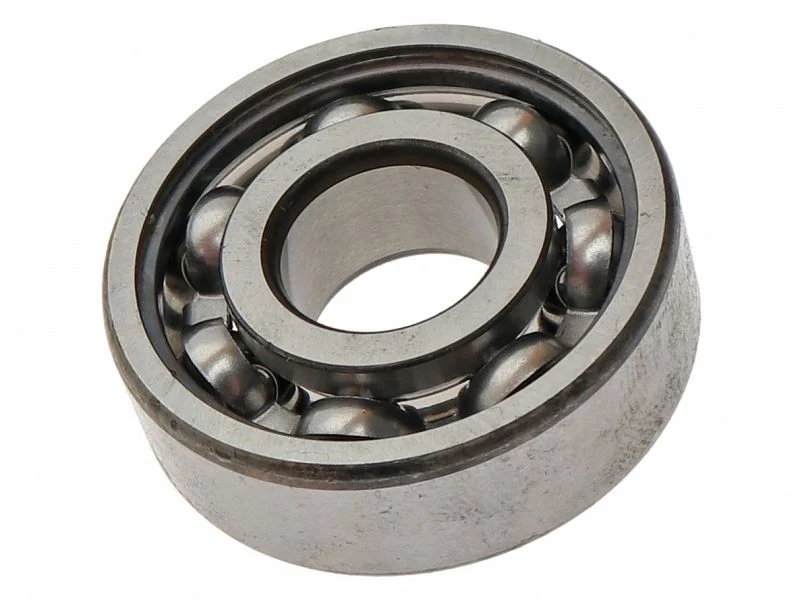
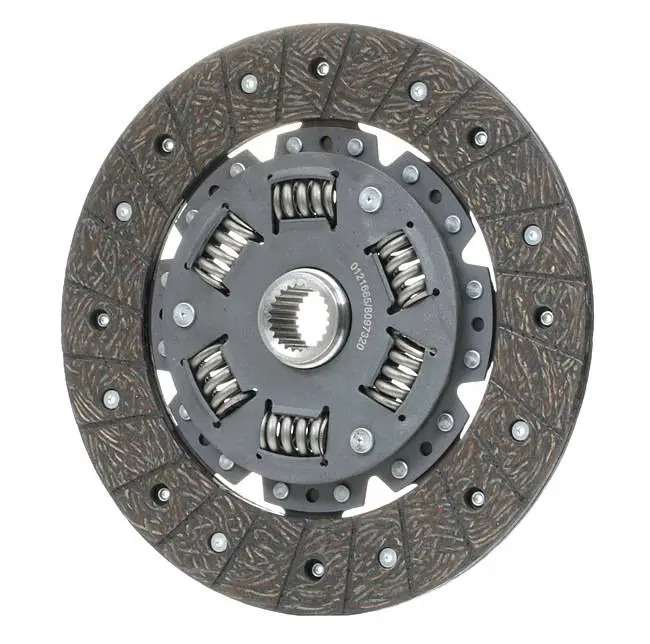
The gears within the transmission are arranged in a specific configuration, with each gear providing a different level of torque at a specific speed. The transmission also includes a clutch, which engages and disengages the engine's power from the transmission, allowing the driver to shift gears smoothly.
The clutch is operated by a pedal located on the driver's side, and when the pedal is depressed, it disengages the engine from the transmission, allowing the driver to shift gears. When the pedal is released, the clutch engages, and the power from the engine is transferred to the wheels.

The Role of Transmissions in Driving
Transmissions are a crucial component in the driving mechanism of vehicles. They are responsible for transferring the engine's power to the wheels while ensuring that the vehicle operates efficiently across various speeds and driving conditions.

Transmissions achieve this by adjusting the gear ratios to match the engine speed also known as revolutions per minute (RPM) with the wheel speed. To achieve optimal performance, transmissions offer several different gear ratios that allow the engine to operate within its optimal power band.
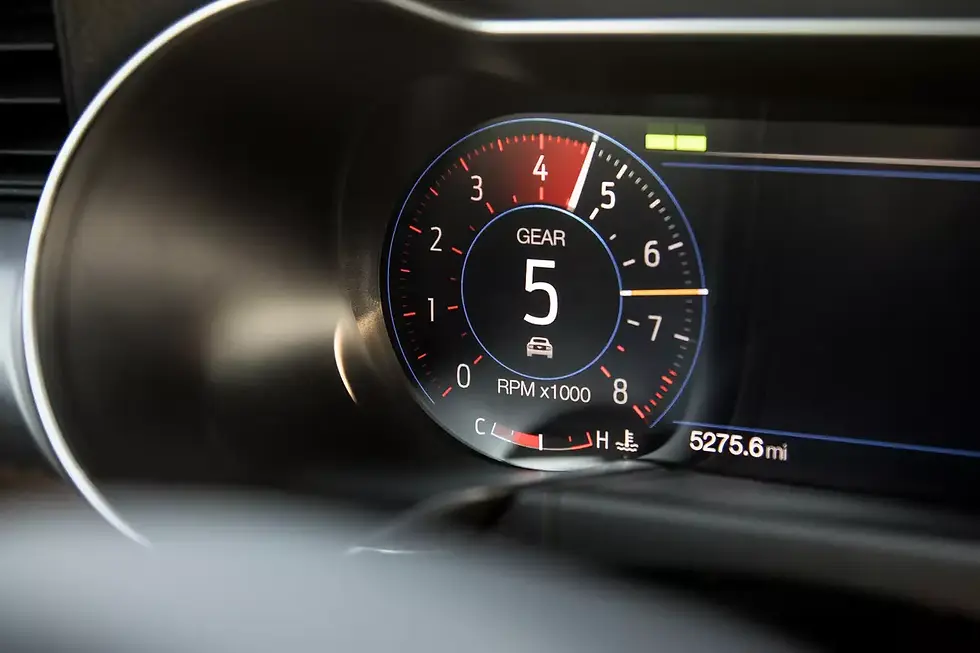
This feature is critical in ensuring that the vehicle can quickly accelerate from a stop, climb steep inclines, or maintain cruising speeds on the highway. In addition to this, transmissions also provide torque multiplication, which allows the engine to produce more torque and operate more efficiently across a range of driving conditions.
For instance, When starting from a standstill, lower gears provide high torque to overcome inertia, while higher gears are utilized for cruising at higher speeds, maximizing fuel efficiency.
Types of Car Transmissions
There exist four main types of transmissions and they are:
Manual Transmission
Automatic Transmission
Continuously Variable Transmission (CVT)
Dual-Clutch Transmission (DCT)

1. Manual Transmission
A manual transmission, also known as a standard or stick shift, requires the driver to manually shift gears using a gear shifter and a clutch pedal.

The gear selector mechanism, clutch assembly, and gearbox with multiple gears are the primary components of a manual transmission.

One of the advantages of a manual transmission is that it offers greater control to the driver. The driver can select the desired gear for specific driving conditions or performance preferences, leading to a more customized driving experience.
Furthermore, manual transmissions offer enhanced driving engagement, which is often favored by driving enthusiasts.

A manual transmission can provide a more hands-on driving experience, with precise gear shifts that require a high level of skill and focus. Another advantage of a manual transmission is that it can be more fuel-efficient than its automatic counterparts, provided that it is in skilled hands. The driver's ability to control the gear shifts can help to optimize the vehicle's fuel efficiency, leading to cost savings in the long run.

For example, the Mazda MX-5 Miata is renowned for its manual transmission option, providing drivers with precise gear shifts and a spirited driving experience that is both fuel-efficient and engaging.

2. Automatic Transmission
An automatic transmission shifts gears automatically without requiring the driver to engage a clutch or shift gears manually.

An automatic transmission utilizes a torque converter or clutch packs to manage gear changes, along with a complex hydraulic and electronic control system.

One of the advantages of an automatic transmission is that it offers convenience thus eliminating the need for manual gear shifting, making driving easier and more accessible, especially in heavy traffic or urban settings. It also offers smooth operation by providing seamless gear transitions, resulting in a smoother and more comfortable driving experience.

Automatic transmissions are ideal for drivers with limited mobility or those seeking a hassle-free driving experience. For example, the Toyota Camry is a popular sedan known for its smooth and reliable automatic transmission, appealing to drivers seeking comfort and convenience.

3. Continuously Variable Transmission (CVT)
A continuously variable transmission (CVT) operates without discrete gear ratios, using a pulley system to provide a seamless range of gear ratios.

CVT transmissions offer an infinite number of gear ratios, allowing the engine to operate at optimal efficiency across various driving conditions. A CVT achieves this infinite gear ratio flexibility by using two opposing cone-shaped pulleys with a chain or belt that runs between them. This setup is very similar to the way a chain operates across the gears of a bicycle.

One of the advantages of a continuously variable transmission (CVT) is that CVTs tend to be more efficient and they maximize fuel efficiency by continuously adjusting gear ratios to match engine speed with vehicle speed. They also offer smooth acceleration providing smooth and linear acceleration without the traditional gear shifts associated with conventional transmissions.
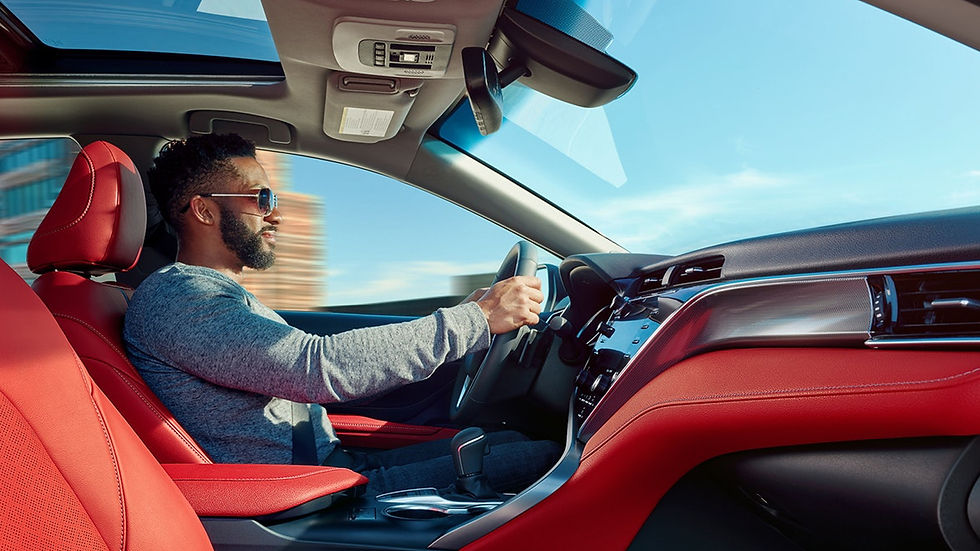
CVTs are also compact in design and are typically lighter and more compact than traditional transmissions, contributing to improved fuel economy and vehicle performance. For example, the Honda Accord is equipped with a CVT, offering drivers a balance of performance and fuel efficiency, along with a refined driving experience.

4. Dual-Clutch Transmission (DCT)
A dual-clutch transmission (DCT) features two separate clutches for odd and even gears, allowing for rapid gear shifts without interrupting power delivery. It is also known as a direct shift gearbox (DSG).

A dual-clutch transmission combines the efficiency of a manual transmission with the convenience of an automatic transmission. Like a conventional automatic transmission, a DSG uses fixed gear ratios to ensure an engine is running at its most efficient rpm (revolutions per minute) depending on the speed. But, unlike that ‘normal’ automatic, a DSG effectively mates two gear sets (one with odd gears – 1-3-5 and the other with even gears – 2-4-6) and two clutches to allow for pre-selection of gears and a seamless swap between them. In simplistic terms, a DSG is a manual transmission with two clutch packs to control odd and even gears.

One of the advantages of a dual-clutch transmission is that it gives rapid gear changes and provides lightning-fast gear shifts, enhancing performance and responsiveness, particularly in high-performance vehicles. DCT Optimizes fuel efficiency by reducing power loss during gear changes and maintaining engine efficiency.

Dual-clutch transmissions offer an engaging driving experience by offering a sporty driving experience with quick and precise gear shifts, appealing to driving enthusiasts. For example, the Volkswagen Golf GTI features a dual-clutch transmission, delivering a dynamic driving experience with swift gear changes and exceptional performance.

In conclusion, transmissions are integral components of vehicles, dictating their performance, efficiency, and driving experience. From traditional manual and automatic transmissions to innovative technologies like Continuously Variable Transmissions (CVT) and Dual-Clutch Transmissions (DCT), each type offers unique advantages tailored to diverse driver preferences and needs.
Whether seeking the engaging control of a manual transmission, the effortless convenience of an automatic transmission, or the efficiency and innovation of modern transmission technologies like CVT and DCT, drivers have a variety of options to enhance their driving experience.


🔥🔥